Science 1,099 views on YouTube
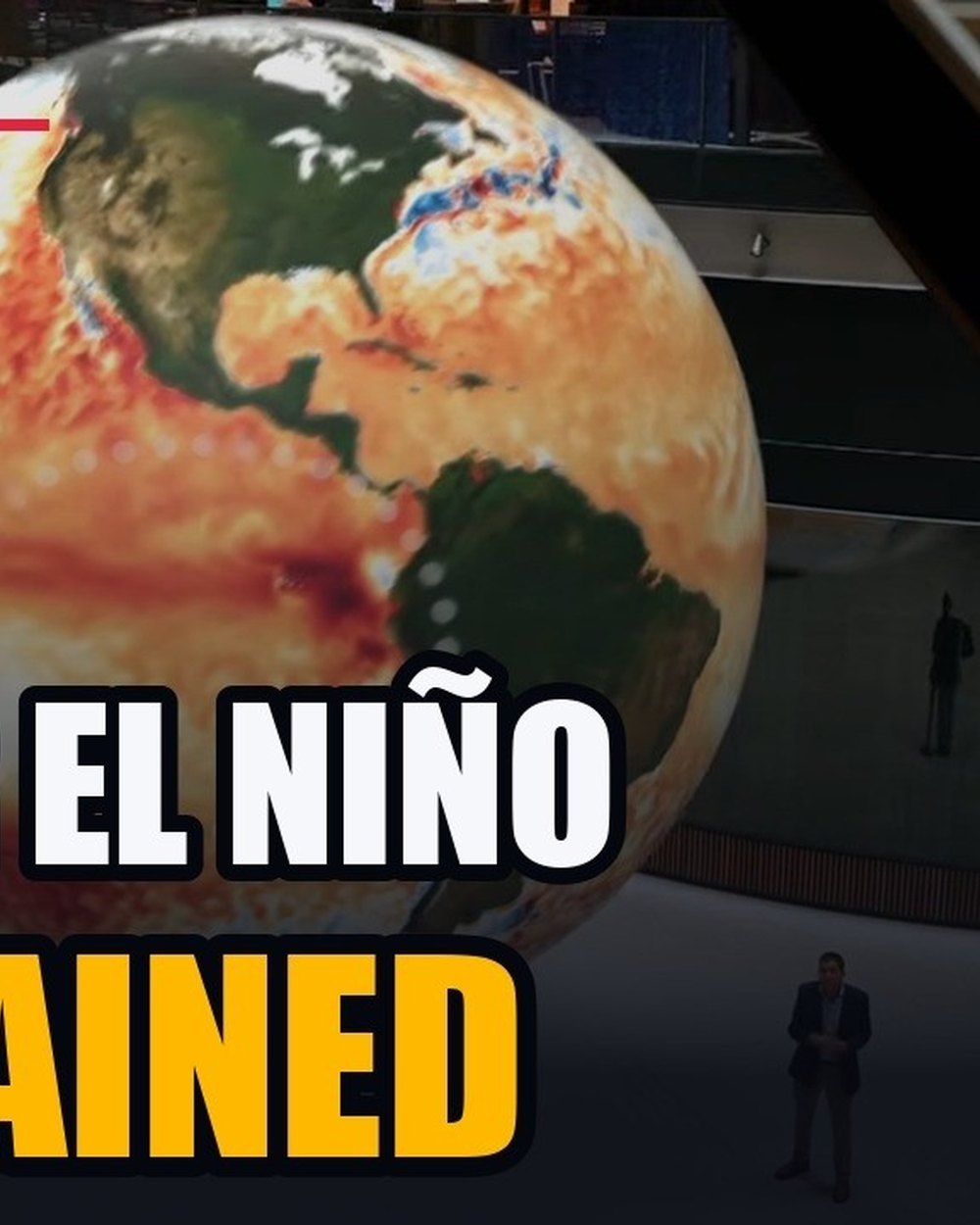
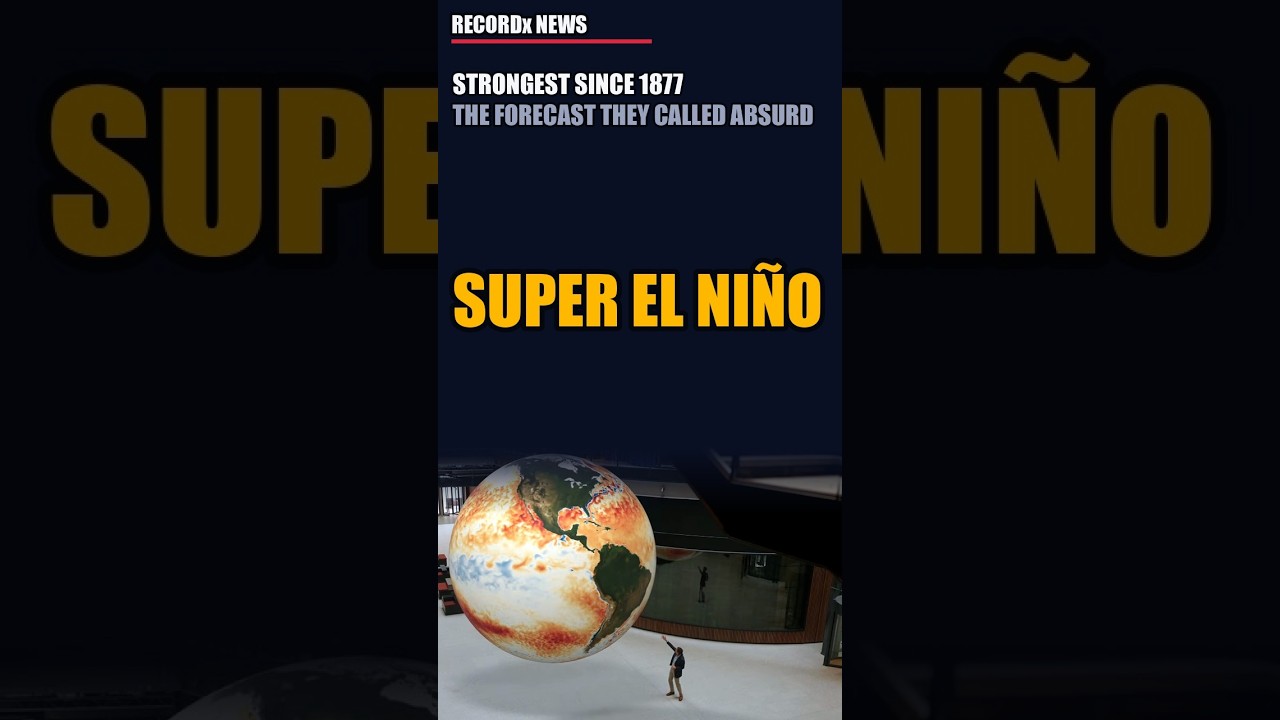
Super El Niño: The Forecast They Called Absurd
In March the Pacific was flat. NOAA's weekly Nino3.4 reading sat at about zero, and the official plume gave El Nino a 9% chance for the spring. One model, NCAR's CESM1, projected a peak near 4C. Climate scientists called it unrealistic.
The claim (one claim, per series law)
The El Niño now forming was called in March, by a single model everyone dismissed — and the ocean has been chasing that outlier ever since.
News hook = Met Office, 21 Aug: strongest El Niño in living memory, peak >3 °C in November, 2027 "very likely" the hottest year on record. Spine = the prediction timeline. Payload = what it already costs (monsoon, Panama, food).
Why now
- 21 Aug 2026 — Met Office public warning + Prof Adam Scaife on camera (BBC).
- 22 Aug 2026 — DW interview with Liz Bentley (RMetS/EMS) puts the 1877 comparison on record.
- Story is not trending on X (checked 22 Aug: X GLOBAL/US/IN top terms are football, anime, wrestling;
trends/term/"el nino"has no X series). It IS moving on YouTube news: BBC 459k views in ~24h, DW 258k same-day, Vox 857k. Treat as a YouTube-native story.
First prediction — the spine (all dates 2026)
The line the short is built on: in March the ocean read +0.03 °C, the official odds were 9 %, and one model said four degrees. Five months later the ocean is at +2.7 and the outlier is the consensus.
How this was verified — the rest of the fact sheet
Footage inventory (all date-checked 22 Aug)
Gaps to source: Panama Canal current footage, Indian monsoon 2026, Peru fishing. Try the Bloomberg piece first before any new download.
Open calls (need answers before cutting)
- Second source for +2.7 °C week of 12 Aug and for CESM1 ~4 °C in March (CPC weekly / NMME March archive). Both are on-screen numbers.
- Short only, or short + a 16:9 doc later (the timeline has enough for a 5-minute NewsDoc)?
VERIFICATION UPDATE — 23 Aug
Both held numbers resolved; the chart is now built on primary NOAA data, not a screenshot.
References
Reporting drawn from Met Office / BBC News (21 Aug) - DW News (22 Aug) - NOAA CPC weekly Nino indices - IRI ENSO Quick Look (19 Aug) - Zeke Hausfather · The Climate Brink (13 Jul) - ECMWF (10 Apr) - Bloomberg Originals - Vox
What the reel says
Narration as scripted and voiced.
And I have never seen an event like this in our forecasts. The tropical Pacific is warming faster than I've ever seen.
The Met Office says the El Nino now forming in the Pacific will be the strongest in living memory, not the strongest this decade, the strongest since the 1870s.
Here is the part almost nobody noticed. This was called in March. Back then, the Pacific was flat. NOAA's weekly reading was sitting at zero, and the official forecast gave El Nino a 9% chance for the spring. One model disagreed. The American model CESM1 projected a peak near 4 degrees above normal. The climate scientist Zeke Hausfather later wrote that he was one of the people who called that absurd at the time.
Every month after that, the forecasts moved toward the outlier. In March, the model average pointed to 2.8 degrees. By July, it pointed to 3.6. And the ocean ran ahead of all of them. In the week of August 12th, the Pacific measured 2.7 degrees above average. That already matches the record set in 2015, and the peak is still three months away.
The Met office now expects more than 3 degrees when it peaks in November. Off the coast of Peru, the water is already 4 degrees above normal. The last El Nino in this class was 1877, when crop failure across India and Southeast Asia killed tens of millions.
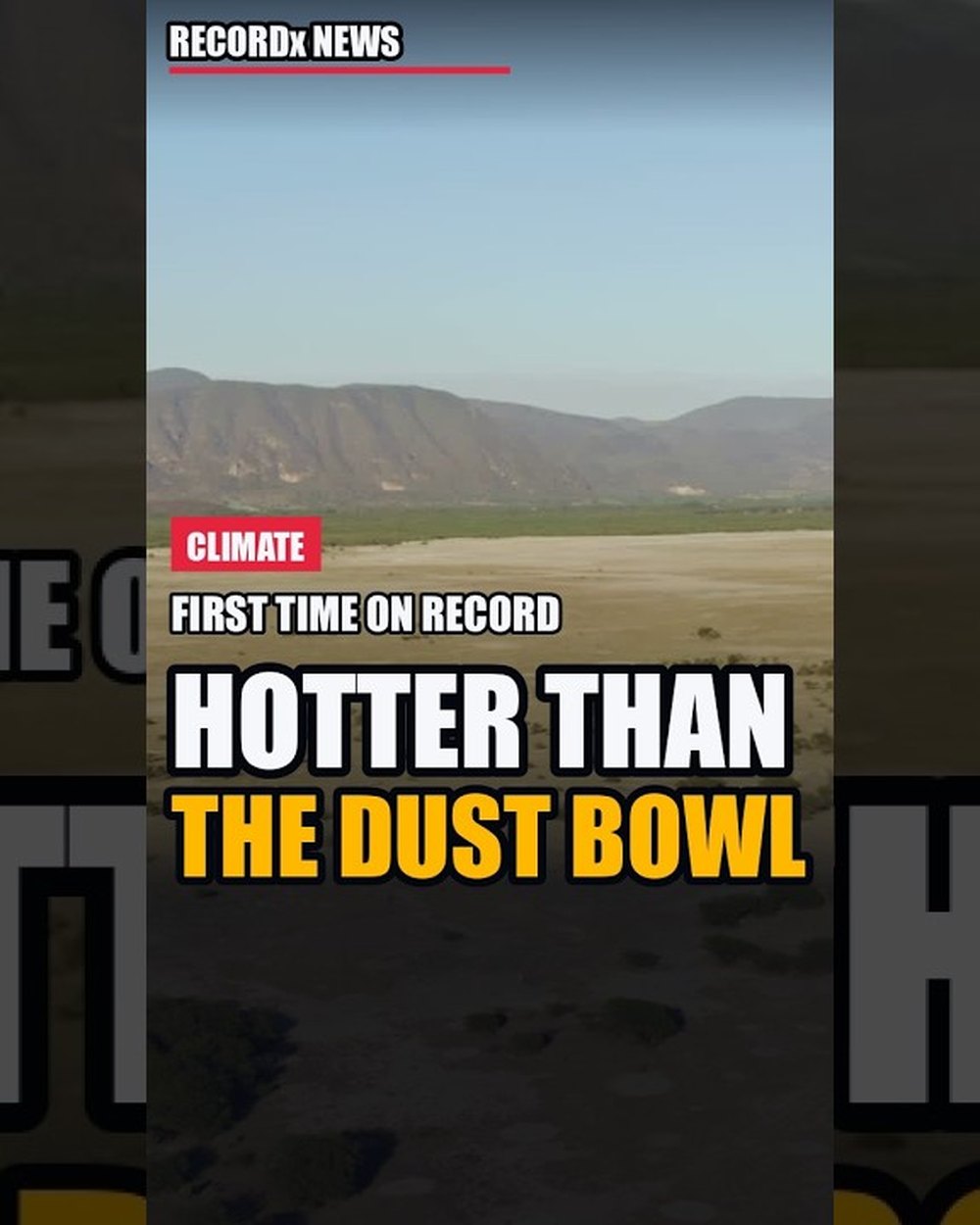
The effects are not waiting for the peak. India's monsoon has come in weak, and the Panama Canal is rationing traffic as its lake falls.
The Met Office says it is now very likely that 2027 will be the hottest year ever recorded. The forecast that looked absurd in March is the one the planet is now following. Like, share, subscribe, and keep watching.